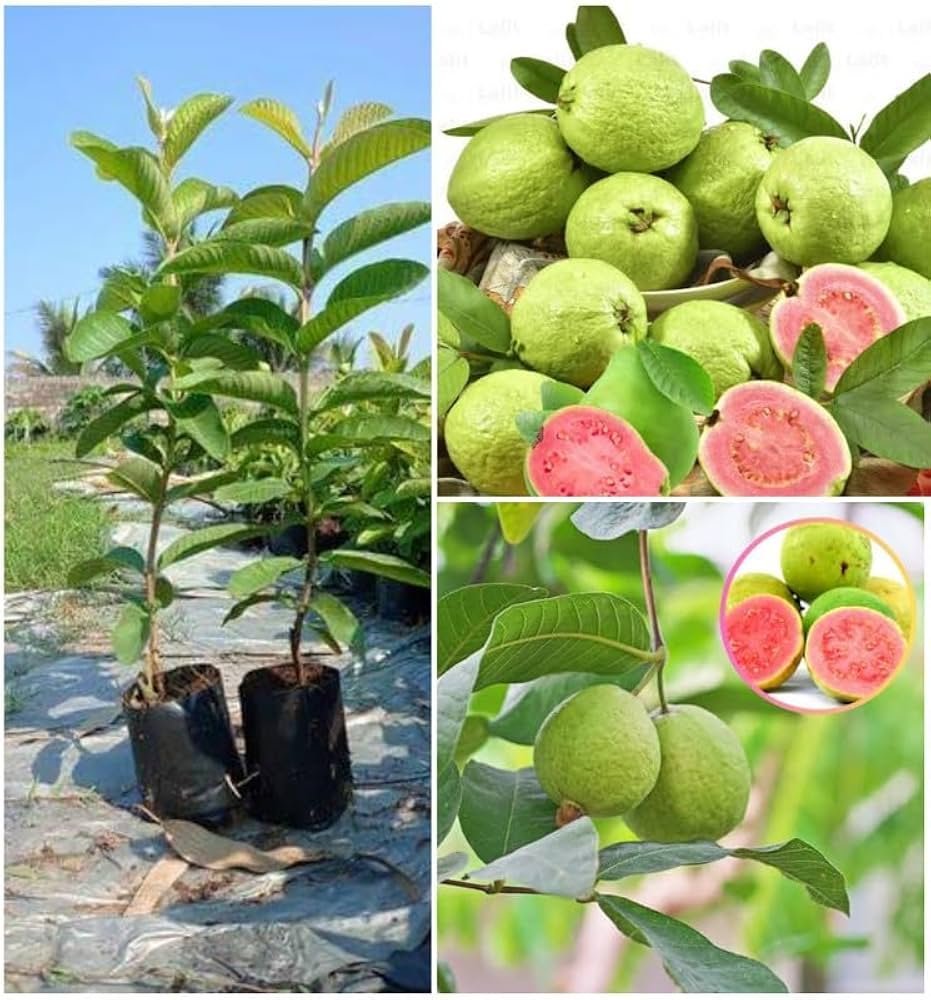
Thaiwan Pink Guava – Key Features & Benefits
Key Features
- Premium variety known for attractive pink flesh
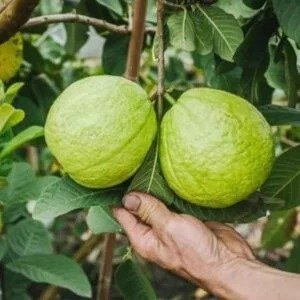
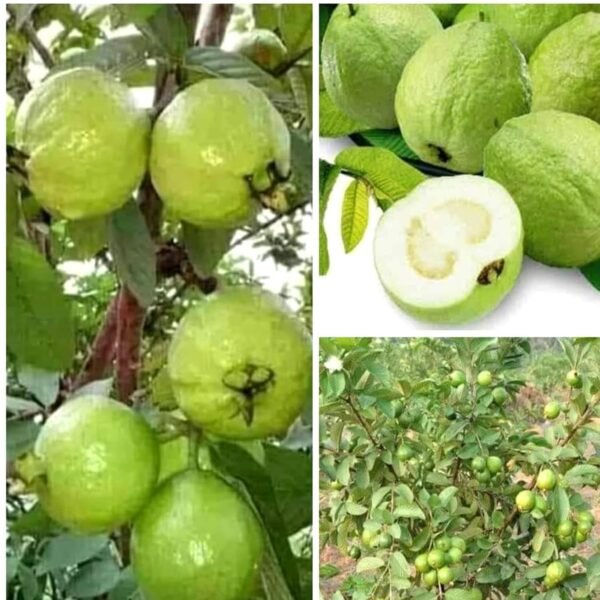
- Produces medium to large-sized fruits
- Thin green skin with soft, sweet pink pulp
- Low seed content compared to local varieties
- Fast-growing and high-yielding under proper care
- Suitable for pots and open field cultivation
- Good shelf life and strong market demand
Benefits
- Rich in Vitamin C, supports immune health
- Contains antioxidants beneficial for skin and overall health
- High in dietary fiber, aids digestion
- Supports heart health
- Attractive fruit suitable for fresh consumption and sale
Plant Care Guide
Sunlight
- Requires full sunlight (6–8 hours daily)
- Essential for good fruit color and sweetness
Temperature
- Ideal range: 20°C to 35°C
- Thrives in warm climates
- Sensitive to frost and extreme cold
Watering Guide
- Summer: water every 1–2 days depending on soil dryness
- Winter: water 2–3 times per week
- Keep soil moist but not waterlogged
- Allow top 1–2 inches of soil to dry before watering
- Ensure proper drainage
Fertilizer Guide
Organic Fertilizers (recommended)
- Cow dung compost every 20–30 days
- Vermicompost for balanced nutrition
- Neem cake for soil health and pest control
Chemical Fertilizers (optional)
- NPK 10:10:10 once a month
During Flowering and Fruiting
- Apply potassium-rich fertilizers to improve fruit size, color, and taste
Re-Potting Instructions
- Repot every 1–2 years or when roots outgrow the pot
- Use a pot at least 12–18 inches deep with proper drainage
Ideal Soil Mix
- 40% garden soil
- 30% compost
- 20% sand
- 10% cocopeat
Steps
- Water the plant lightly before repotting
- Carefully remove the plant with the root ball intact
- Trim damaged or excess roots if needed
- Place in a larger pot with fresh soil mix
- Water lightly and keep in partial shade for a few days
Fruiting Season
- Fruits 1–2 times per year
- Main season in India: July to December
- Can also produce a second crop with proper care
- Starts fruiting within 2–3 years
Usage Ideas
- Consumed fresh due to sweet taste and soft pulp
- Used in juices and smoothies
- Added to fruit salads and desserts
- Suitable for premium fruit sales
- Can be processed into pulp and value-added products
Care Tips
- Prune regularly to improve branching and fruit production
- Remove weeds to reduce competition for nutrients
- Use neem oil spray to control pests like fruit flies and aphids
- Ensure good drainage to prevent root rot
- Apply mulch to retain soil moisture
- Protect from strong winds and heavy rain
- Regular feeding improves fruit quality and yield


Reviews
Clear filtersThere are no reviews yet.