Key Features & Benefits
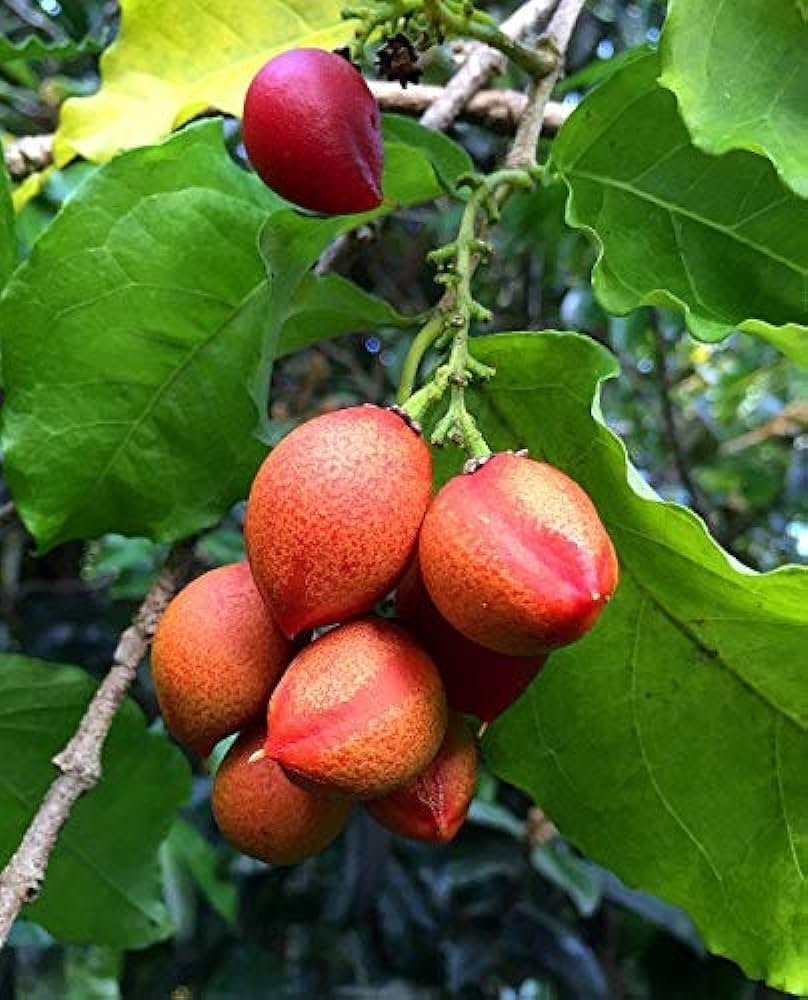
- Commonly known as Peanut Butter Fruit
- Named for its unique fruit taste similar to peanut butter
- Air-layered plant ensures faster fruiting (around 1.5–3 years)
- Produces small orange-red fruits rich in nutrients
- High in protein, vitamins, and antioxidants
- Compact and suitable for pots or small gardens
- Rare and exotic fruit with good niche demand
Plant Care Guide
Sunlight
- Prefers full sunlight to partial shade
- At least 5–7 hours of sunlight for best growth and fruiting
Soil
- Well-drained fertile soil rich in organic matter
- Sandy loam soil works best
- Ideal pH range: 6.0 to 7.5
Watering
- Water regularly to keep soil slightly moist
- Avoid waterlogging
- Increase watering during flowering and fruiting
- Reduce watering during cooler months
Fertilizers
- Apply organic compost or vermicompost every 30–45 days
- Use balanced NPK fertilizer (10:10:10) during growing season
- Add micronutrients occasionally for better fruit quality
- Neem cake can improve soil health
Re-potting Instructions
- Suitable for container growing
- Use pots of at least 14–18 inches depth
- Re-pot every 1–2 years
- Replace topsoil annually with fresh compost mix
- Ensure proper drainage holes
Fruiting Season
- Starts fruiting in 1.5–3 years (air-layered plant)
- Can produce fruits multiple times a year in warm climates
- Fruits ripen quickly and should be harvested when fully colored
Usage Ideas
- Eat fresh as a fruit
- Blend into smoothies and desserts
- Use in jams and spreads
- Unique ingredient for specialty recipes due to peanut-like flavor
Care Tips
- Prune lightly to maintain shape and encourage branching
- Protect from frost and extreme cold
- Mulching helps retain moisture and improve soil quality
- Watch for pests like aphids and mealybugs; use neem oil spray
- Harvest fruits promptly as they are soft and perishable
- Provide support if branches become heavy with fruits.


Reviews
Clear filtersThere are no reviews yet.