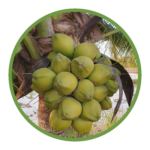
Key Features & Benefits
- Popular tropical fruit plant known for its sweet, juicy, and aromatic fruits
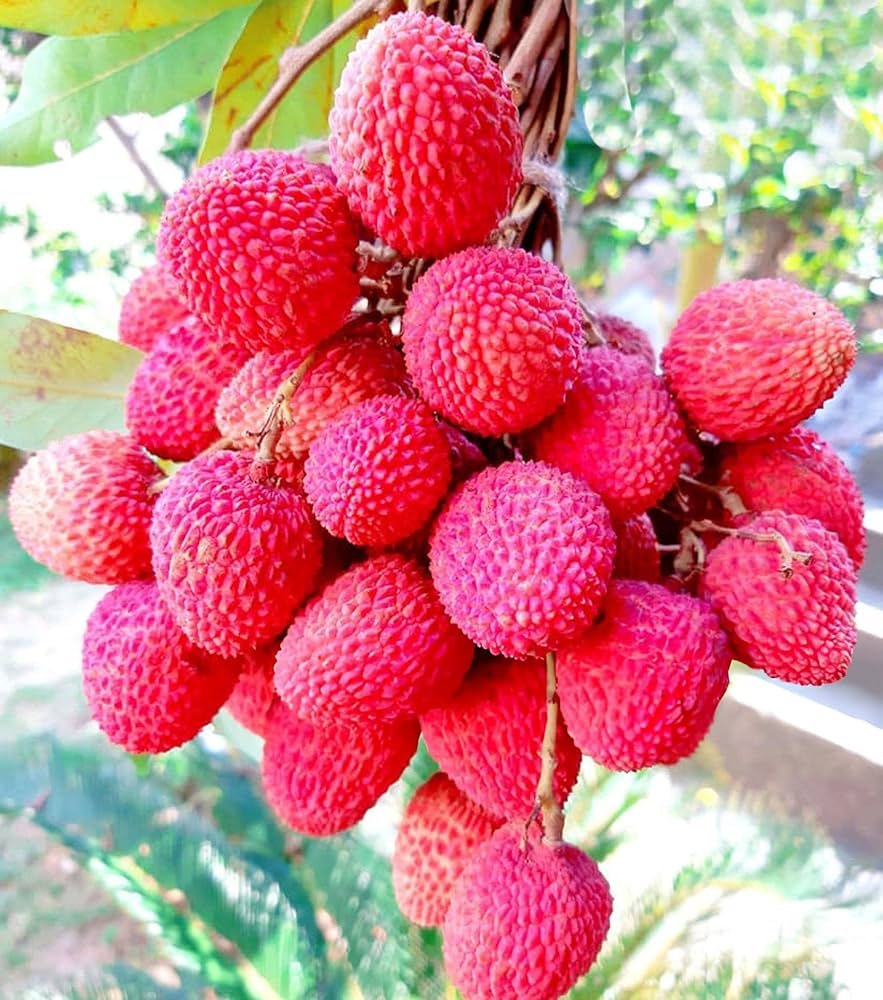
- Produces small to medium-sized red fruits with translucent white pulp
- Rich in vitamin C, antioxidants, and essential minerals
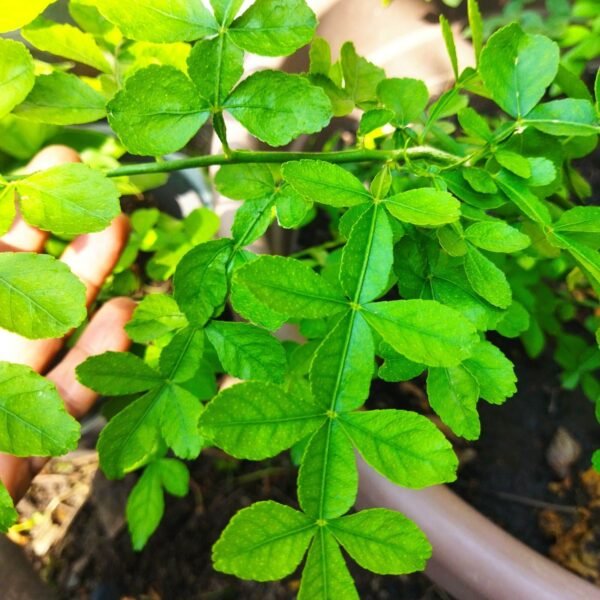
- Attractive evergreen tree with dense foliage, ideal for gardens
- Suitable for home gardening and small orchards
- Grafted plants fruit earlier and more reliably than seed-grown plants
Plant Care Guide
Sunlight
- Requires full sunlight for optimal growth and fruiting
- Needs at least 6–8 hours of direct sunlight daily
Soil
- Prefers deep, fertile, and well-draining soil
- Ideal mix: garden soil + compost + sand
- Slightly acidic soil (pH 5.0–6.5) is best
Temperature & Climate
- Thrives in subtropical to tropical climates
- Ideal temperature: 20°C to 35°C
- Requires a cool, dry period for good flowering
- Sensitive to frost and extreme heat waves
Watering
- Keep soil consistently moist but not waterlogged
- Water 2–3 times per week for young plants
- Increase watering during flowering and fruit development
- Reduce watering slightly during winter
Fertilizers
- Apply organic compost or well-rotted manure every 1–2 months
- Use balanced NPK fertilizer during growing season
- Apply potassium-rich fertilizer to improve fruit quality
- Add micronutrients (zinc, boron) if deficiency appears
Re-potting Instructions
- Use a large container (minimum 18–24 inches deep and wide)
- Ensure proper drainage holes
- Re-pot every 2–3 years or when roots become crowded
- Replace topsoil annually with fresh compost-rich mix
- Avoid disturbing roots excessively during transplanting
Fruiting Season
- Fruiting season typically occurs in late spring to early summer
- Grafted plants may start fruiting in 3–5 years
- Requires proper seasonal conditions for flowering and fruit set
Usage Ideas
- Eat fresh as a table fruit
- Use in fruit salads, desserts, and ice creams
- Prepare juices, syrups, and smoothies
- Can be used in jams, jellies, and beverages
- Popular in festive and summer dishes
Care Tips
- Provide wind protection, as litchi trees are sensitive to strong winds
- Mulch around the base to retain moisture and regulate soil temperature
- Prune lightly after harvest to maintain shape and encourage new growth
- Avoid water stress during flowering and fruiting stages
- Protect young plants from extreme temperatures
- Monitor pests like mites and fruit borers; use organic sprays if needed
- Ensure good spacing (6–8 meters apart) if planting in ground.


Reviews
Clear filtersThere are no reviews yet.