
Key Features & Benefits
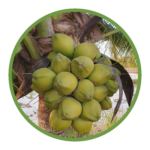
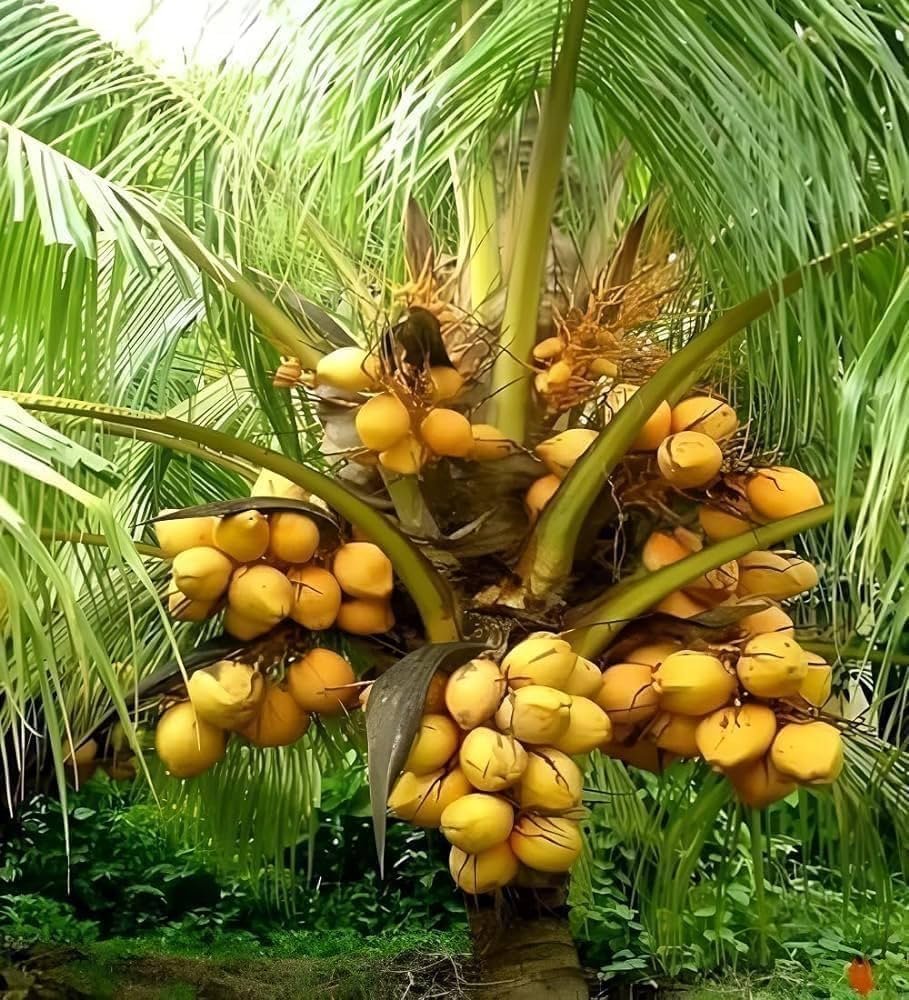
- High-yielding coconut variety commonly grown in Kerala
- Produces medium to large coconuts with high water and oil content
- Multipurpose tree – provides tender coconut water, copra, oil, and fiber
- Long-living and economically valuable plant
- Suitable for tropical climates and coastal regions
- Adds a classic tropical landscape look to gardens and farms
Plant Care Guide
Sunlight
- Requires full sunlight for proper growth
- Needs at least 6–8 hours of direct sunlight daily
Soil
- Grows well in a variety of soils including sandy, loamy, and coastal soils
- Prefers well-draining soil rich in organic matter
- Can tolerate slightly saline conditions
Temperature & Climate
- Thrives in warm, humid tropical climates
- Ideal temperature: 25°C to 35°C
- Cannot tolerate frost or prolonged cold conditions
Watering
- Requires regular watering, especially in early stages
- Water 2–3 times per week for young plants
- Mature palms need deep watering at intervals
- Avoid water stagnation around roots
Fertilizers
- Apply organic manure (cow dung or compost) every 2–3 months
- Use balanced NPK fertilizer for steady growth
- Add potassium-rich fertilizer for better nut production
- Supplement with micronutrients like magnesium if needed
Re-potting Instructions
- Coconut plants are best grown directly in the ground
- For container growing (early stage), use a large pot with good drainage
- Transplant to ground once plant outgrows container
- Avoid frequent re-potting as roots are sensitive
- Ensure enough space for root and trunk development
Fruiting Season
- Starts bearing fruits in 5–7 years (depending on care and variety)
- Produces coconuts throughout the year in suitable climates
- Peak yield may vary based on region and care practices
Usage Ideas
- Drink tender coconut water for hydration and health
- Use mature coconut for cooking, oil extraction, and desserts
- Prepare coconut milk, chutneys, and curries
- Use husk and shell for coir, crafts, and fuel
- Widely used in traditional and commercial food products
Care Tips
- Ensure good drainage to prevent root rot
- Mulch around the base to conserve moisture
- Keep area weed-free for better nutrient absorption
- Protect young plants from strong winds
- Regularly remove dry or damaged fronds
- Maintain proper spacing (at least 7–8 meters apart)
- Monitor for pests like rhinoceros beetle and treat appropriately
If you want, I can also create a nursery-style product description or a profit guide for coconut farming.
– Complete Guide
Key Features & Benefits
- High-yielding coconut variety commonly grown in Kerala
- Produces medium to large coconuts with high water and oil content
- Multipurpose tree – provides tender coconut water, copra, oil, and fiber
- Long-living and economically valuable plant
- Suitable for tropical climates and coastal regions
- Adds a classic tropical landscape look to gardens and farms
Plant Care Guide
Sunlight
- Requires full sunlight for proper growth
- Needs at least 6–8 hours of direct sunlight daily
Soil
- Grows well in a variety of soils including sandy, loamy, and coastal soils
- Prefers well-draining soil rich in organic matter
- Can tolerate slightly saline conditions
Temperature & Climate
- Thrives in warm, humid tropical climates
- Ideal temperature: 25°C to 35°C
- Cannot tolerate frost or prolonged cold conditions
Watering
- Requires regular watering, especially in early stages
- Water 2–3 times per week for young plants
- Mature palms need deep watering at intervals
- Avoid water stagnation around roots
Fertilizers
- Apply organic manure (cow dung or compost) every 2–3 months
- Use balanced NPK fertilizer for steady growth
- Add potassium-rich fertilizer for better nut production
- Supplement with micronutrients like magnesium if needed
Re-potting Instructions
- Coconut plants are best grown directly in the ground
- For container growing (early stage), use a large pot with good drainage
- Transplant to ground once plant outgrows container
- Avoid frequent re-potting as roots are sensitive
- Ensure enough space for root and trunk development
Fruiting Season
- Starts bearing fruits in 5–7 years (depending on care and variety)
- Produces coconuts throughout the year in suitable climates
- Peak yield may vary based on region and care practices
Usage Ideas
- Drink tender coconut water for hydration and health
- Use mature coconut for cooking, oil extraction, and desserts
- Prepare coconut milk, chutneys, and curries
- Use husk and shell for coir, crafts, and fuel
- Widely used in traditional and commercial food products
Care Tips
- Ensure good drainage to prevent root rot
- Mulch around the base to conserve moisture
- Keep area weed-free for better nutrient absorption
- Protect young plants from strong winds
- Regularly remove dry or damaged fronds
- Maintain proper spacing (at least 7–8 meters apart)
- Monitor for pests like rhinoceros beetle and treat appropriately.


Reviews
Clear filtersThere are no reviews yet.