Key Features & Benefits
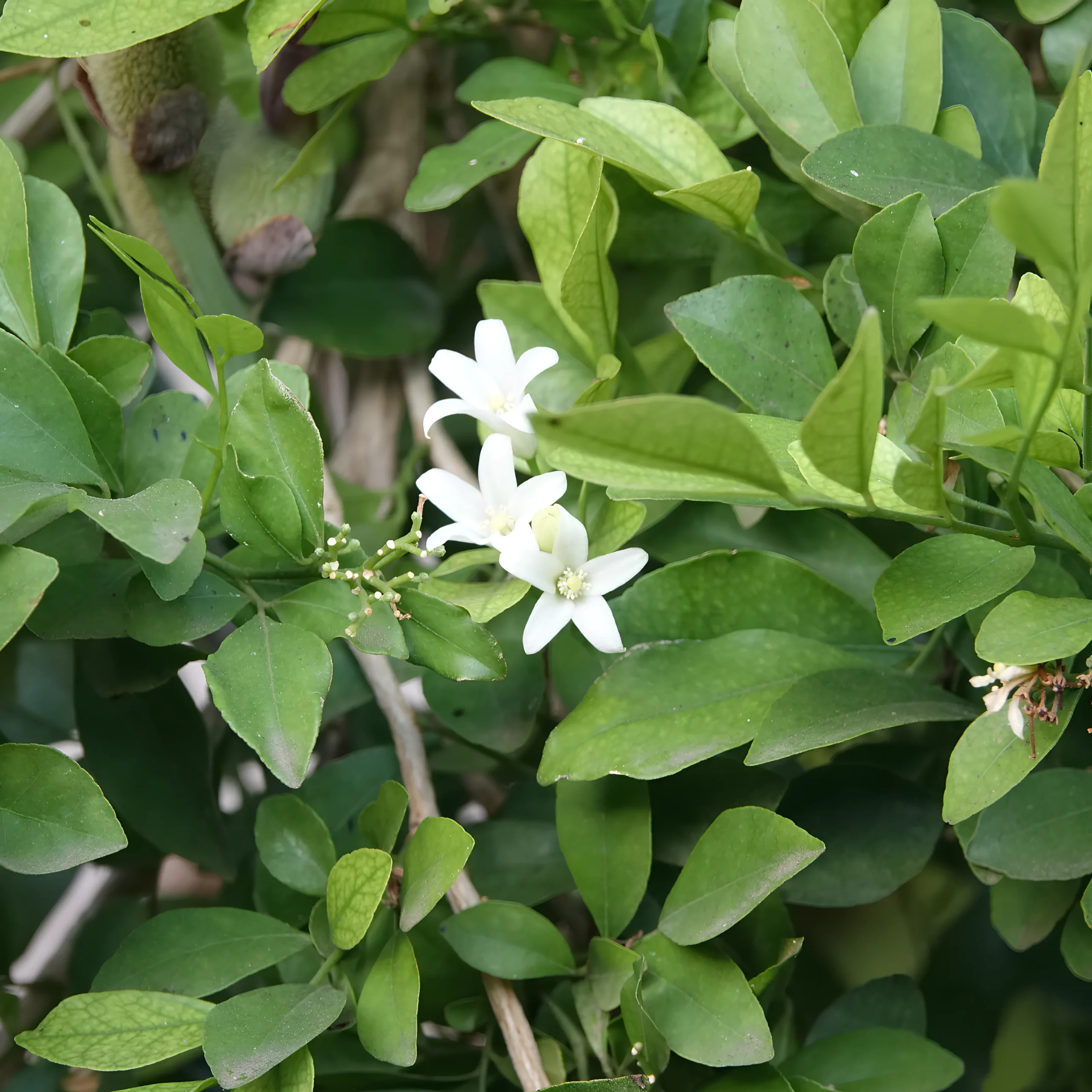
- Attractive flowering plant known for its elegant, fragrant blooms
- Produces beautiful flowers in shades of white, pink, orange, or red depending on variety
- Adds ornamental value to home gardens, balconies, and indoor spaces
- Some varieties have a pleasant natural fragrance
- Suitable for pots, garden beds, and landscaping
- Easy to grow with proper basic care
Plant Care Guide
Sunlight
- Prefers bright sunlight to partial shade
- Needs 4–6 hours of sunlight daily
- Avoid harsh afternoon sun in very hot climates
Soil
- Requires well-draining, fertile soil
- Ideal mix: garden soil + compost + sand or cocopeat
- Slightly acidic to neutral soil is suitable
Temperature & Climate
- Thrives in moderate to warm climates
- Ideal temperature: 18°C to 30°C
- Sensitive to extreme heat and frost
Watering
- Keep soil evenly moist but not waterlogged
- Water 2–3 times per week depending on weather
- Reduce watering during dormant period
- Ensure proper drainage to avoid bulb rot
Fertilizers
- Apply organic compost every 2–3 weeks during growing season
- Use balanced liquid fertilizer to promote flowering
- Add phosphorus-rich fertilizer for better blooms
- Avoid over-fertilizing
Re-potting Instructions
- Use a pot with good drainage (minimum 10–12 inches deep)
- Re-pot bulbs every 1–2 years
- Replace old soil with fresh nutrient-rich mix
- Separate bulbs if overcrowded
- Plant bulbs at proper depth (2–3 times their height)
Flowering Season
- Typically blooms in spring to early summer
- Some varieties may bloom multiple times a year
- Flowers last for several days and can be used as cut flowers
Usage Ideas
- Ideal for decorative garden displays and landscaping
- Used as cut flowers for home decoration
- Suitable for gifting and festive decoration
- Enhances aesthetic appeal of balconies and indoor spaces
- Some varieties used in traditional and cultural settings
Care Tips
- Remove faded flowers to encourage new blooms
- Provide support if stems grow tall
- Ensure good air circulation to prevent fungal diseases
- Protect from heavy rain and strong winds
- Keep bulbs dry during dormancy period
- Monitor pests like aphids and mites; use neem oil if needed.


Reviews
Clear filtersThere are no reviews yet.