Key Features & Benefits
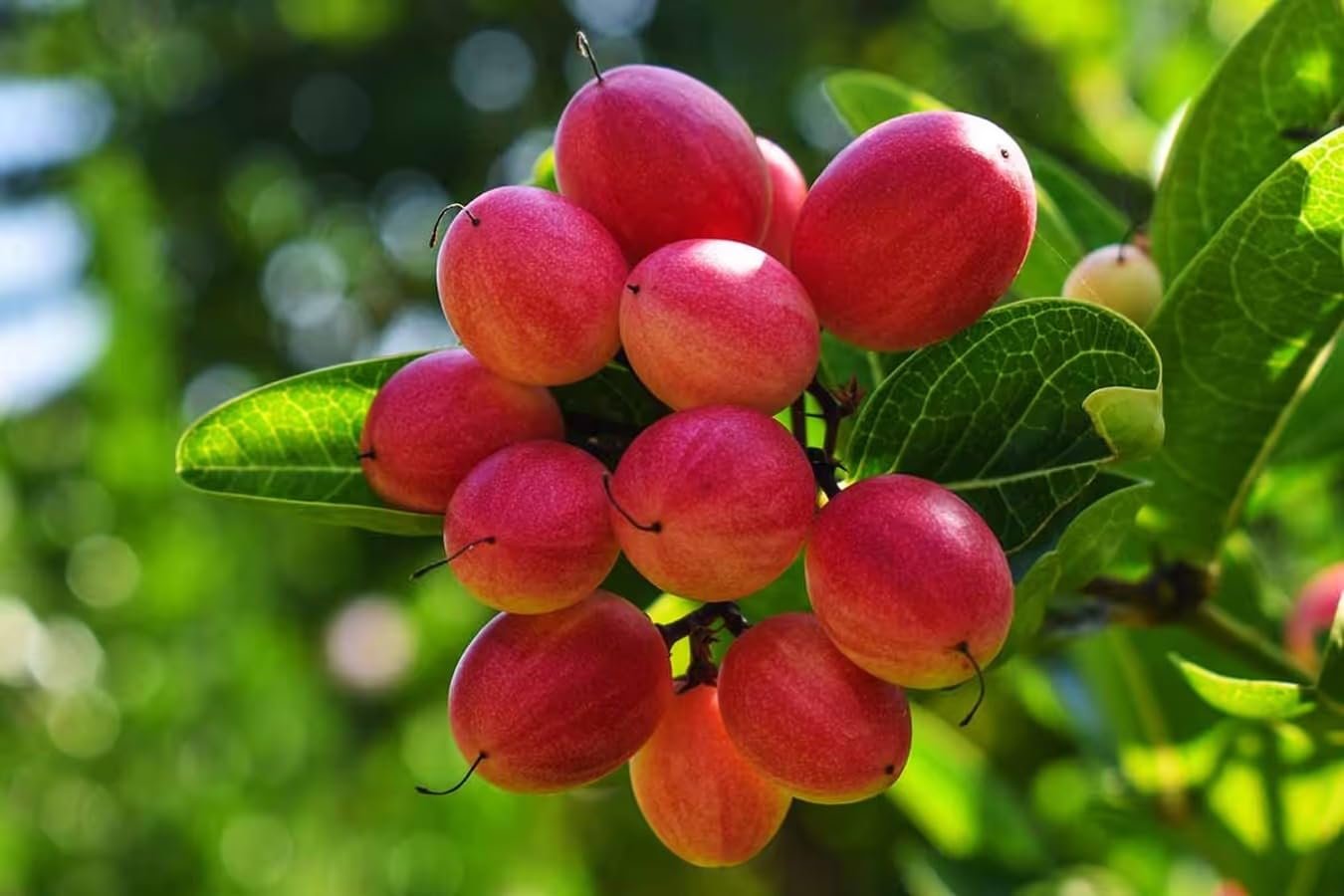
- Scientific name: Synsepalum dulcificum
- Produces small red berries that temporarily make sour foods taste sweet
- Grafted plants fruit faster (1–2 years) compared to seed-grown plants
- Compact size, suitable for pots and terraces
- Unique and attractive ornamental plant
Plant Care Guide
- Climate: Tropical to subtropical, prefers warm and humid conditions
- Sunlight: Partial shade to filtered sunlight (avoid harsh afternoon sun)
- Soil: Acidic, well-drained soil (pH 4.5–6.5 is ideal)
Watering
- Keep soil consistently moist but not waterlogged
- Water when the top layer feels slightly dry
- Avoid hard water; rainwater is best if available
Fertilizers
- Use organic compost or vermicompost every 20–30 days
- Apply acidic fertilizers (like for azalea or blueberry plants)
- Avoid heavy chemical fertilizers
Re-potting Instructions
- Re-pot every 1–2 years
- Use a slightly larger pot with good drainage
- Maintain acidic soil mix (cocopeat + compost + sand)
- Handle roots gently; they are sensitive
Fruiting Season
- Can fruit multiple times a year in warm climates
- Peak fruiting usually during summer and monsoon
Usage Ideas
- Eat berries before consuming sour fruits like lemon or tamarind
- Great for educational demonstrations and novelty use
- Can be grown as a unique indoor/outdoor plant
Care Tips
- Maintain high humidity (mist occasionally)
- Protect from cold temperatures below 10°C
- Avoid alkaline soil or water
- Mulching helps retain moisture
2. Drumstick / Moringa Plant
Key Features & Benefits
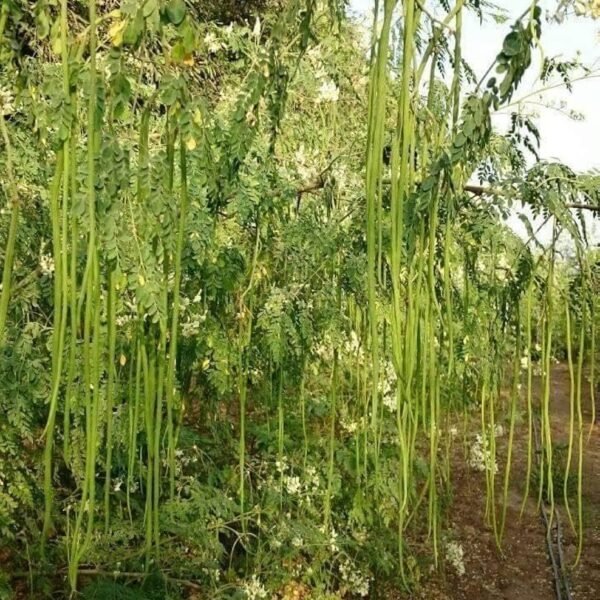
- Scientific name: Moringa oleifera
- Fast-growing, highly nutritious plant
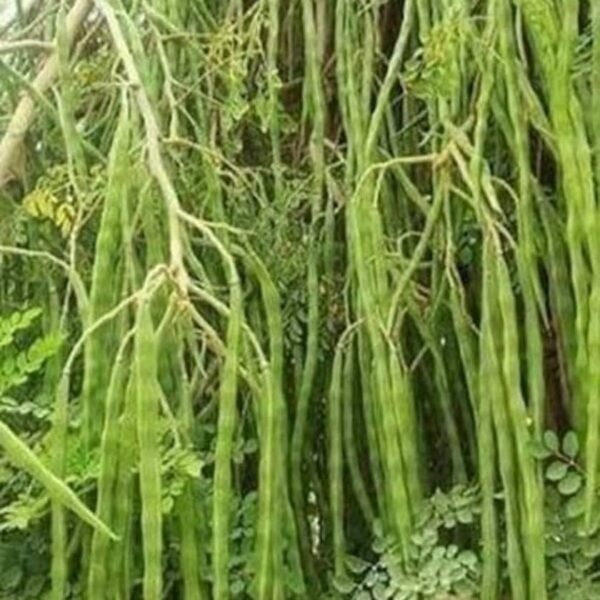
- Leaves, pods (drumsticks), and flowers are edible
- Rich in vitamins A, C, calcium, and iron
- Drought-tolerant and low-maintenance
Plant Care Guide
- Climate: Tropical and subtropical
- Sunlight: Full sunlight (6–8 hours daily)
- Soil: Well-drained sandy or loamy soil
Watering
- Water regularly during early growth
- Once established, water moderately (drought tolerant)
- Avoid waterlogging
Fertilizers
- Apply compost or cow dung manure every 30–45 days
- Minimal fertilizer required due to hardy nature
- Add neem cake occasionally for soil health
Re-potting Instructions
- Best grown in ground, but can be grown in large containers (minimum 18–24 inch pot)
- Re-pot only if root-bound
- Ensure strong support as plant grows tall
Fruiting Season
- Starts producing pods within 6–8 months (grafted or well-grown plants)
- Main season: Spring to summer, but can produce year-round in warm climates
Usage Ideas
- Pods used in curries, sambar, and soups
- Leaves used in salads, powders, and herbal teas
- Flowers used in cooking and medicinal preparations
Care Tips
- Prune regularly to control height and encourage branching
- Protect young plants from strong winds
- Avoid overwatering
- Harvest leaves regularly to promote new growth.


Reviews
Clear filtersThere are no reviews yet.