Key Features & Benefits
- Early Fruiting: Starts bearing fruits within 2–3 years due to grafting.
- High Yielding Variety with regular and heavy production.
- Sweet and Aromatic Taste with smooth, low-fiber pulp.
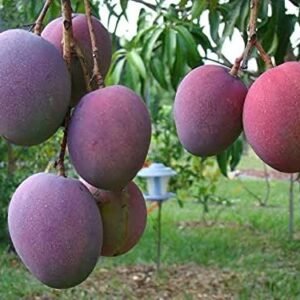
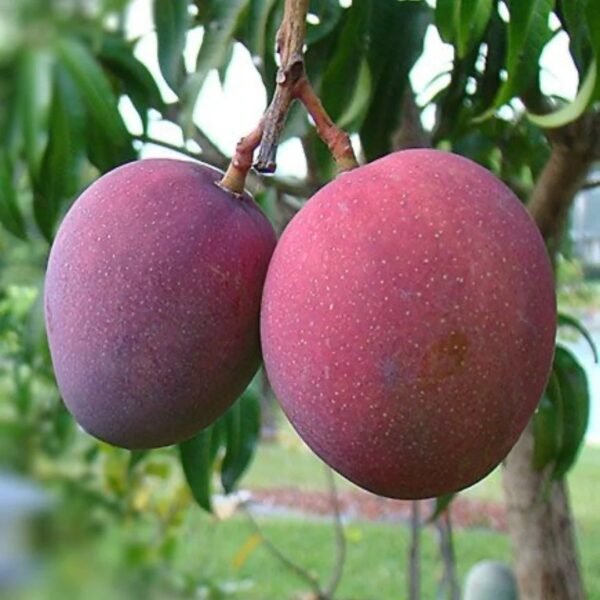
- Medium to Large Fruits with uniform size and appealing color.
- Semi-Dwarf Growth Habit suitable for terrace gardening and containers.
- Good Shelf Life compared to many traditional varieties.
- Suitable for Commercial Farming and home gardening.
Plant Care Guide
Sunlight
- Requires full sunlight (6–8 hours daily).
- Essential for proper flowering, fruiting, and sweetness.
Soil
- Prefers well-drained, fertile soil rich in organic matter.
- Ideal soil mix:
- Garden soil (40%)
- Compost or vermicompost (30%)
- Sand or cocopeat (30%)
- Soil pH: 5.5 to 7.5
Watering
- Young plant: Water 2–3 times per week.
- Mature plant: Water every 5–7 days.
- Maintain moderate soil moisture; avoid waterlogging.
- Reduce watering during flowering stage to improve fruit set.
Fertilizers
Organic Fertilizers
- Vermicompost (1–2 kg per month)
- Well-rotted cow dung manure
- Neem cake for soil health and pest control
Chemical Fertilizers (optional)
- NPK (10:10:10) during vegetative growth
- High potassium fertilizer during flowering and fruiting stage
Micronutrients
- Monthly foliar spray improves plant growth and fruit quality.
Re-potting Instructions
- Required every 1–2 years for container-grown plants.
Steps:
- Choose a pot 18–24 inches deep with proper drainage holes.
- Carefully remove plant with root ball intact.
- Trim damaged or dead roots.
- Replant in fresh soil mix.
- Water lightly and keep in partial shade for a few days.
Fruiting Season
- Flowering: December to February
- Fruiting: May to July
- May vary depending on climate and region.
Usage Ideas
- Fresh consumption (table fruit)
- Mango juice, shakes, and smoothies
- Mango pulp for desserts and sweets
- Suitable for local market selling due to good yield
- Ideal for small-scale farming and home orchards
Care Tips
- Light pruning after harvesting helps maintain plant shape and encourages new growth.
- Use mulch to retain soil moisture and improve soil fertility.
- Protect from frost and strong winds.
- Monitor pests like aphids, mealybugs, and fruit flies; use neem oil spray when needed.
- Avoid excessive nitrogen fertilizer to ensure better flowering.
- Ensure proper drainage to prevent root rot and fungal diseases.


Reviews
Clear filtersThere are no reviews yet.