
Luvika Cherry – Key Features & Benefits
Key Features
- Hybrid/ornamental-type cherry grown from seed
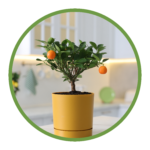
- Attractive plant with glossy green leaves
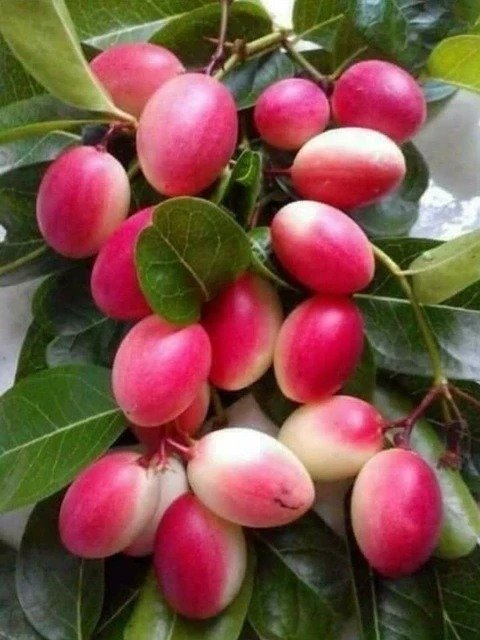
- Produces small to medium-sized cherry-like fruits (varies by seed source)
- Slower and less predictable growth compared to grafted plants
- Suitable for pots during early stages
Benefits
- Contains antioxidants that support overall health
- Source of vitamins such as Vitamin C
- Can be used for home gardening and aesthetic value
- Fresh fruits can support digestion and general wellness
- Adds ornamental beauty to garden or balcony
Plant Care Guide
Sunlight
- Requires 5–7 hours of direct sunlight daily
- Partial shade is tolerated in very hot climates
Temperature
- Ideal range: 15°C to 30°C
- Sensitive to extreme heat and frost
- In very hot regions, provide afternoon shade
Watering Guide
- Water when the top 1–2 inches of soil becomes dry
- Summer: every 1–2 days depending on temperature
- Winter: 2–3 times per week
- Avoid overwatering to prevent root rot
- Ensure proper drainage
Fertilizer Guide
Organic Fertilizers (recommended)
- Vermicompost every 20–30 days
- Well-rotted cow dung compost
- Neem cake for pest control and soil health
Chemical Fertilizers (optional)
- Balanced NPK 10:10:10 once a month
During Flowering and Fruiting
- Use phosphorus and potassium-rich fertilizers to support blooming and fruit development
Re-Potting Instructions
- Repot every 1–2 years or when roots outgrow the container
- Use a pot at least 12–16 inches deep with drainage holes
Ideal Soil Mix
- 40% garden soil
- 30% compost
- 20% sand
- 10% cocopeat
Steps
- Water the plant lightly before repotting
- Remove the plant carefully with the root ball
- Trim damaged roots if necessary
- Place in a larger pot with fresh soil mix
- Water lightly and keep in partial shade for a few days
Fruiting Season
- Fruiting depends on climate and plant maturity
- Typically fruits once a year
- In suitable climates, flowering may begin in late winter to spring
- Seed-grown plants may take 3–5 years or longer to fruit and may not always produce true-to-type fruits
Usage Ideas
- Fresh fruit consumption (if edible variety)
- Used in juices and smoothies
- Can be made into jams or preserves
- Decorative plant for home or garden
- Suitable for small-scale gardening or nursery business
Care Tips
- Prune lightly to maintain shape and encourage branching
- Protect from extreme heat and strong winds
- Use mulch to retain soil moisture
- Monitor for pests like aphids and mites and use neem oil if needed
- Ensure good air circulation to prevent fungal issues
- Since it is a seedling, growth and fruit quality may vary
If you want, I can help you compare this plant with grafted cherry varieties or suggest better fruit plants for profit and fast yield.
Luvika Cherry – Key Features & Benefits
Key Features
- Hybrid/ornamental-type cherry grown from seed
- Attractive plant with glossy green leaves
- Produces small to medium-sized cherry-like fruits (varies by seed source)
- Slower and less predictable growth compared to grafted plants
- Suitable for pots during early stages
Benefits
- Contains antioxidants that support overall health
- Source of vitamins such as Vitamin C
- Can be used for home gardening and aesthetic value
- Fresh fruits can support digestion and general wellness
- Adds ornamental beauty to garden or balcony
Plant Care Guide
Sunlight
- Requires 5–7 hours of direct sunlight daily
- Partial shade is tolerated in very hot climates
Temperature
- Ideal range: 15°C to 30°C
- Sensitive to extreme heat and frost
- In very hot regions, provide afternoon shade
Watering Guide
- Water when the top 1–2 inches of soil becomes dry
- Summer: every 1–2 days depending on temperature
- Winter: 2–3 times per week
- Avoid overwatering to prevent root rot
- Ensure proper drainage
Fertilizer Guide
Organic Fertilizers (recommended)
- Vermicompost every 20–30 days
- Well-rotted cow dung compost
- Neem cake for pest control and soil health
Chemical Fertilizers (optional)
- Balanced NPK 10:10:10 once a month
During Flowering and Fruiting
- Use phosphorus and potassium-rich fertilizers to support blooming and fruit development
Re-Potting Instructions
- Repot every 1–2 years or when roots outgrow the container
- Use a pot at least 12–16 inches deep with drainage holes
Ideal Soil Mix
- 40% garden soil
- 30% compost
- 20% sand
- 10% cocopeat
Steps
- Water the plant lightly before repotting
- Remove the plant carefully with the root ball
- Trim damaged roots if necessary
- Place in a larger pot with fresh soil mix
- Water lightly and keep in partial shade for a few days
Fruiting Season
- Fruiting depends on climate and plant maturity
- Typically fruits once a year
- In suitable climates, flowering may begin in late winter to spring
- Seed-grown plants may take 3–5 years or longer to fruit and may not always produce true-to-type fruits
Usage Ideas
- Fresh fruit consumption (if edible variety)
- Used in juices and smoothies
- Can be made into jams or preserves
- Decorative plant for home or garden
- Suitable for small-scale gardening or nursery business
Care Tips
- Prune lightly to maintain shape and encourage branching
- Protect from extreme heat and strong winds
- Use mulch to retain soil moisture
- Monitor for pests like aphids and mites and use neem oil if needed
- Ensure good air circulation to prevent fungal issues
- Since it is a seedling, growth and fruit quality may vary


Reviews
Clear filtersThere are no reviews yet.