Key Features & Benefits
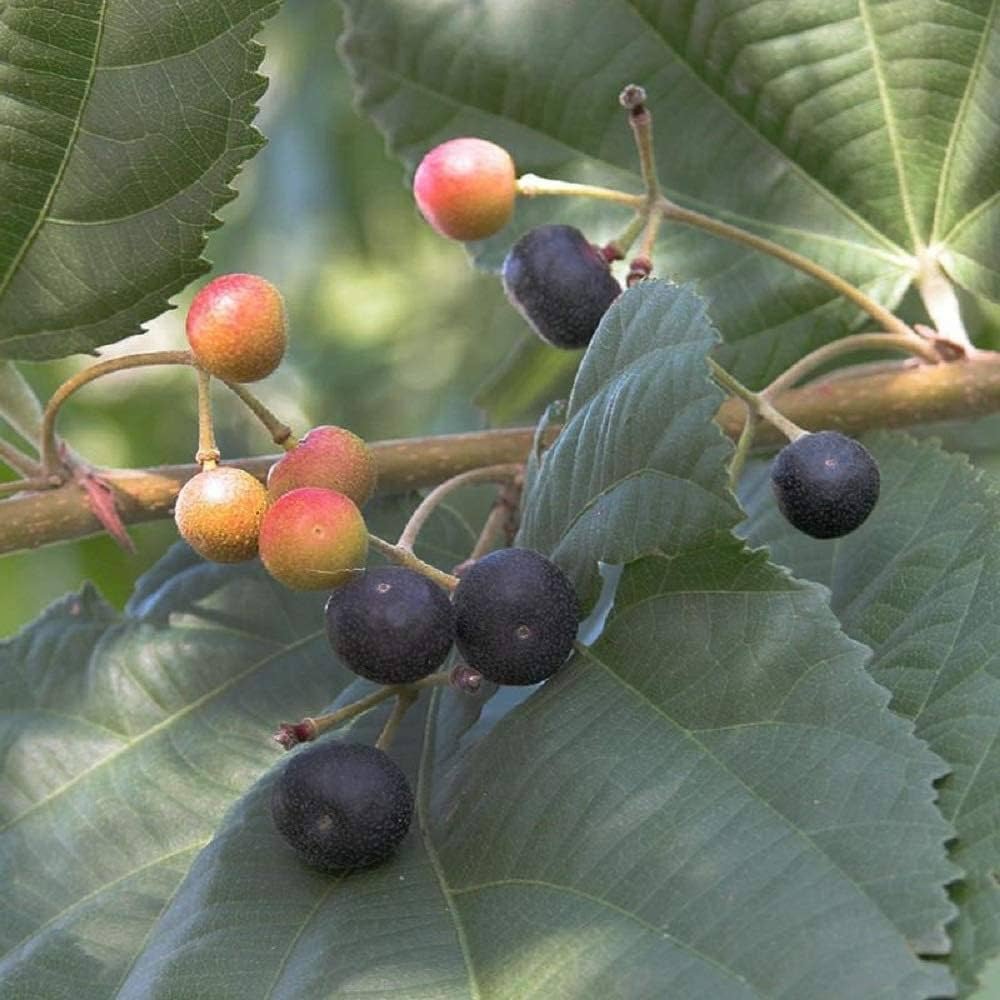
- Small fruiting shrub known for its sweet-tangy berries
- Produces purple to dark red fruits with refreshing taste
- Rich in vitamin C, antioxidants, and cooling properties
- Fast-growing and suitable for small gardens and containers
- Highly tolerant to heat and drought once established
- Ideal for summer fruit production
Plant Care Guide
Sunlight
- Requires full sunlight for best fruiting
- Needs at least 6–8 hours of direct sunlight daily
Soil
- Grows well in a wide range of soils
- Prefers well-draining sandy or loamy soil
- Can tolerate slightly alkaline conditions
Temperature & Climate
- Thrives in hot tropical and subtropical climates
- Ideal temperature: 25°C to 40°C
- Very heat-tolerant and suitable for dry regions
Watering
- Water regularly during initial growth (2–3 times per week)
- Mature plants require moderate watering
- Avoid overwatering; plant prefers slightly dry conditions
- Reduce watering during winter
Fertilizers
- Apply organic compost or manure every 1–2 months
- Use balanced NPK fertilizer during growing season
- Add potassium-rich fertilizer for better fruit quality
- Avoid excessive fertilization
Re-potting Instructions
- Use a medium to large container (minimum 14–18 inches deep)
- Ensure proper drainage holes
- Re-pot every 2–3 years or when plant becomes root-bound
- Replace topsoil annually with fresh compost mix
- Prune roots lightly if needed during re-potting
Fruiting Season
- Fruits once a year, usually in summer
- Produces berries on new growth
- Regular pruning encourages better fruiting
Usage Ideas
- Eat fresh with a pinch of salt or sugar
- Prepare refreshing summer drinks and sherbets
- Use in juices, chutneys, and syrups
- Popular for cooling beverages during hot weather
- Can be used in traditional remedies
Care Tips
- Prune heavily in late winter, as fruits grow on new shoots
- Maintain plant height for easy harvesting
- Mulch around base to conserve moisture
- Provide good air circulation to prevent diseases
- Protect fruits from birds using netting
- Monitor pests like aphids and treat with neem oil
- Ensure proper spacing (2–3 meters apart) if planting in ground.


Reviews
Clear filtersThere are no reviews yet.