Key Features & Benefits
- Grafted variety of Tamarind Tree selected for sweeter pulp and reduced sourness
- Starts fruiting earlier (3–4 years) compared to seed-grown plants
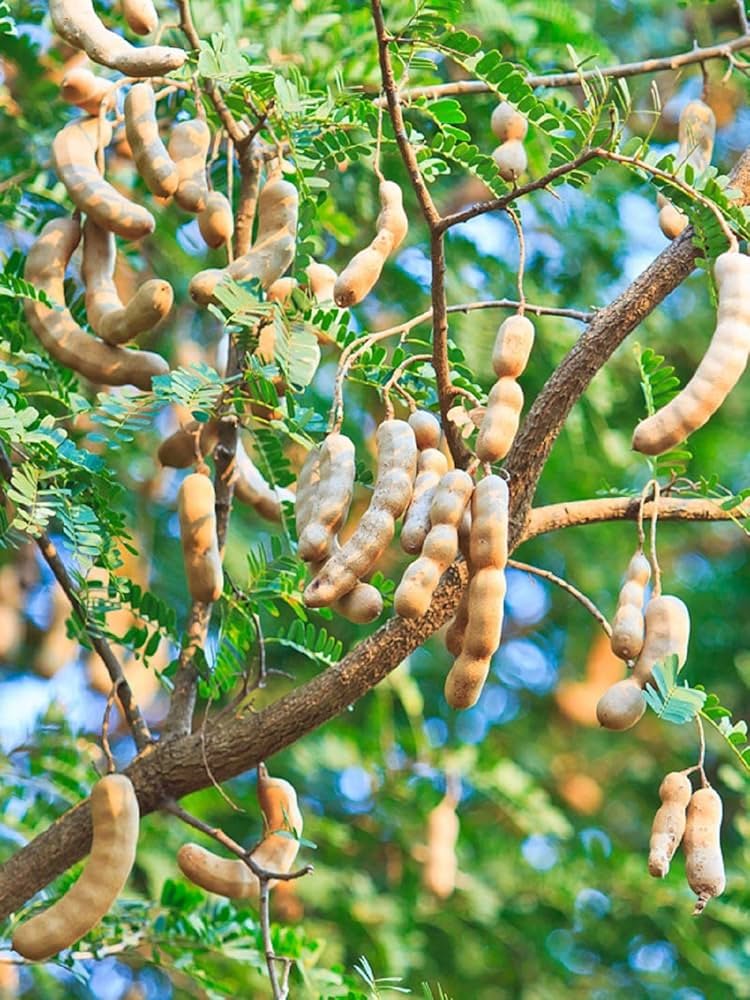
- Produces long pods with thick, sweet, and tangy pulp
- Highly nutritious: rich in vitamins, minerals, and antioxidants
- Long-living, hardy tree suitable for tropical climates
- Ideal for home gardens, farms, and roadside planting
- Low maintenance once established
Plant Care Guide
Sunlight
- Requires full sunlight (6–8 hours daily)
- Essential for flowering and pod development
Soil
- Grows well in a wide range of soils but prefers well-drained loamy soil
- Can tolerate slightly acidic to slightly alkaline soils (pH 5.5–7.5)
- Avoid waterlogged conditions
Watering
- Water regularly during the first 1–2 years
- Keep soil moderately moist but not soggy
- Mature trees are highly drought-tolerant
- Water more during flowering and fruit development stages
- Reduce watering during winter
Fertilizers
- Apply organic compost or farmyard manure every 2–3 months
- Use balanced NPK fertilizer (10:10:10) during growing season
- Add phosphorus and potassium for better flowering and fruiting
- Neem cake helps improve soil health and pest resistance
Re-potting Instructions
- Suitable for large containers in early stages
- Use a pot of at least 18–24 inches depth
- Re-pot every 1–2 years when young
- Eventually transplant to open ground for best growth
- Ensure proper drainage in containers
Fruiting Season
- Begins fruiting in 3–4 years (grafted plant)
- Flowering typically occurs in summer
- Fruits mature in winter (December to March in India)
- Pods are harvested when they turn brown and dry
Usage Ideas
- Eat ripe pulp directly as a sweet snack
- Use in chutneys, sauces, and beverages
- Prepare tamarind candy and desserts
- Used in traditional medicine for digestion and immunity
- Pulp can be preserved for long-term use
Care Tips
- Prune lightly to maintain structure and remove dead branches
- Provide space if planting in ground, as tree grows large
- Mulching helps retain soil moisture and suppress weeds
- Protect young plants from frost and strong winds
- Monitor for pests like scale insects and caterpillars; use neem oil spray if needed
- Avoid overwatering, especially in heavy soils.


Reviews
Clear filtersThere are no reviews yet.