
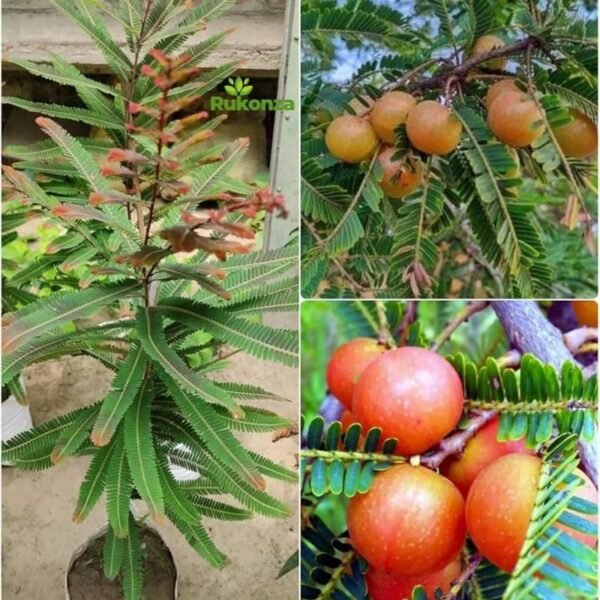
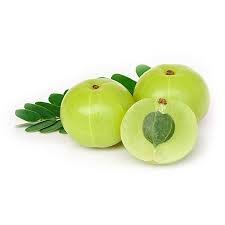
Litchi – Key Features & Benefits
Key Features
- Produces sweet, juicy fruits with rough red outer skin and white pulp
- Evergreen tree with dense, glossy foliage
- Seedling-grown plant, slower and less predictable than grafted varieties
- Medium to large tree suitable for open ground; limited pot suitability
- Long lifespan with good yield once mature
Benefits
- Rich in Vitamin C, supports immunity
- Contains antioxidants beneficial for skin and overall health
- Hydrating fruit with high water content
- Supports digestion
- Provides natural energy
Plant Care Guide
Sunlight
- Requires full sunlight (6–8 hours daily)
- Essential for healthy growth and fruiting
Temperature
- Ideal range: 20°C to 35°C
- Prefers warm, humid climate
- Sensitive to frost and extreme cold
Watering Guide
- Young plants: water 2–3 times per week
- Mature plants: deep watering once a week
- Keep soil consistently moist, especially in early stages
- Avoid waterlogging
- Reduce watering slightly during winter
Fertilizer Guide
Organic Fertilizers (recommended)
- Cow dung compost every 30–45 days
- Vermicompost for balanced nutrients
- Neem cake for soil health and pest control
Chemical Fertilizers (optional)
- NPK 10:10:10 every 1–2 months
During Growth and Fruiting
- Apply phosphorus and potassium-rich fertilizers to support flowering and fruit development
Re-Potting Instructions
(Litchi is not ideal for long-term pot growth, but possible in early stages)
- Repot young plants every 1–2 years
- Use large containers (at least 16–20 inches deep) with proper drainage
Ideal Soil Mix
- 40% garden soil
- 30% compost
- 20% sand
- 10% cocopeat
Steps
- Water the plant lightly before repotting
- Carefully remove the plant with root ball intact
- Avoid disturbing roots too much
- Place in a larger container with fresh soil mix
- Water lightly and keep in partial shade for a few days
Fruiting Season
- Fruits once a year
- Main season in India: May to June
- Seedling plants may take 6–10 years or more to start fruiting
Usage Ideas
- Consumed fresh as a fruit
- Used in juices, smoothies, and desserts
- Added to fruit salads
- Used in ice creams and sweets
- Can be processed into syrups and beverages
Care Tips
- Provide wind protection, especially for young plants
- Mulch the soil to retain moisture
- Maintain consistent watering during flowering and fruiting
- Prune lightly to remove dead or weak branches
- Monitor for pests like aphids and mites and treat with neem oil
- Ensure good drainage to prevent root diseases
- Seedling plants may vary in fruit quality and yield


Reviews
Clear filtersThere are no reviews yet.