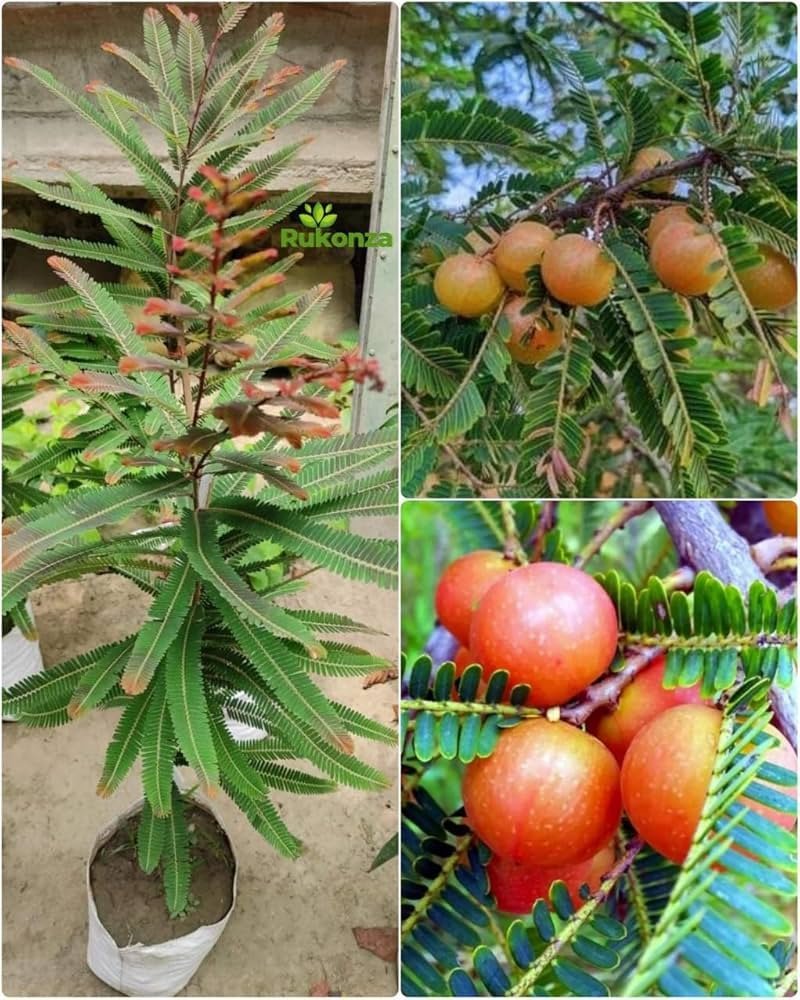
Red Amla – Key Features & Benefits
Key Features
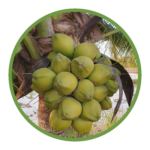
- Produces reddish or pink-tinted amla fruits (variety-dependent)
- Slightly milder taste compared to green amla, with balanced sourness
- Grafted plant ensures early and consistent fruiting
- Medium to large tree, can be grown in large pots or open ground
- Hardy and adaptable to various soil types and climates
- Good yield potential under proper care
Benefits
- Very rich in Vitamin C, supports strong immunity
- High antioxidant content, beneficial for skin and hair
- Improves digestion and metabolism
- Supports heart health
- Used in traditional wellness and herbal products
Plant Care Guide
Sunlight
- Requires full sunlight (6–8 hours daily)
- Essential for healthy growth and fruit development
Temperature
- Ideal range: 20°C to 38°C
- Tolerates heat well but sensitive to severe frost
Watering Guide
- Young plants: water 2–3 times per week
- Mature plants: water once a week
- Allow soil to dry slightly between watering
- Avoid overwatering, as amla prefers slightly dry conditions
- Ensure proper drainage
Fertilizer Guide
Organic Fertilizers (recommended)
- Cow dung compost every 30–45 days
- Vermicompost for balanced nutrients
- Neem cake for soil health and pest control
Chemical Fertilizers (optional)
- NPK 10:10:10 every 1–2 months
During Fruiting
- Apply potassium-rich fertilizer to improve fruit size and quality
Re-Potting Instructions
- Repot every 2–3 years or when roots outgrow the container
- Use a large pot at least 16–20 inches deep with proper drainage
Ideal Soil Mix
- 50% garden soil
- 25% compost
- 15% sand
- 10% cocopeat
Steps
- Water the plant lightly before repotting
- Carefully remove the plant with the root ball
- Trim damaged or excess roots
- Place in a larger pot with fresh soil mix
- Water lightly and keep in partial shade for a few days
Fruiting Season
- Fruits once a year
- Main season in India: October to February
- Grafted plants usually start fruiting within 2–3 years
Usage Ideas
- Consumed fresh or with salt
- Used in juices and health drinks
- Made into pickles, candies, and powders
- Used in herbal products and supplements
- Added to hair oils and wellness formulations
Care Tips
- Prune lightly to maintain structure and remove dead branches
- Avoid excessive watering to prevent root rot
- Apply mulch to conserve soil moisture
- Monitor for pests and use neem oil if required
- Ensure good airflow to prevent fungal diseases
- Protect young plants from strong winds
- Requires minimal care once established due to its hardy nature


Reviews
Clear filtersThere are no reviews yet.